Meat mixers
Choosing Meat Mixers and Mixer Grinders
Choosing a mixer for meatballs, doner or other meat mixtures requires a clear recipe and batch plan. Assess mixing, loading and discharge as parts of the same workflow.
Define the mixture and the machine's role
Start with the characteristics of the mixture you need to prepare. Describe the incoming meat structure, additional ingredients and target batch quantity. If the machine will handle several recipes, assess them individually rather than basing the decision only on your most common product.
Also explain where mixing sits in the production sequence. Will the product arrive already ground, or do you need grinding within the same equipment arrangement? This distinction is central when comparing a meat mixer with a mixer grinder.
How can you compare FERMAK mixer options?
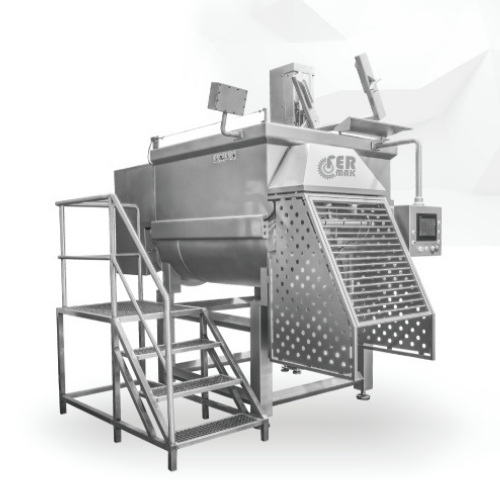
FERMAK meat mixer information lists twin-paddle mixing and automatic discharge. The tilting mixer page describes bidirectional mixing, speed control and programme memory. Review each option against your own loading and product-transfer arrangements.
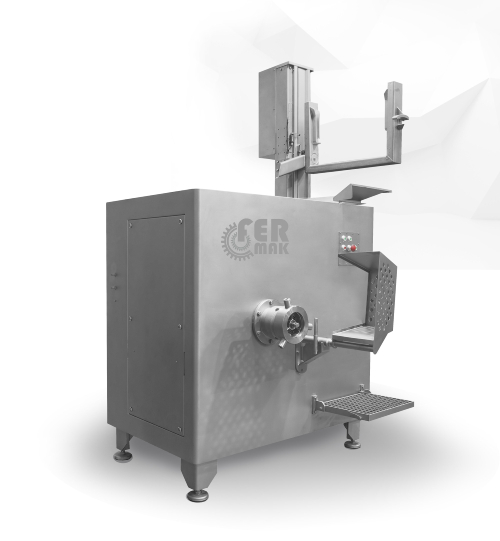
A mixer grinder is an option to investigate when mixing and grinding are required together. Clarify the sequence of operations, cutting assembly, discharge method and operating limits of the selected model in the quotation. Compare the actual equipment offered, rather than relying on the model name.
Separate vessel volume from working capacity
The total vessel volume does not imply the same usable batch quantity for every recipe. The FAO guide to sausage production equipment notes that overloading can prevent satisfactory mixing. Confirm a suitable working quantity for your mixture with the manufacturer.
Do not base a daily capacity plan on mixing time alone. Include ingredient preparation, weighing, loading, discharge and product changes. A schedule with frequent small batches may require a different working arrangement from one involving fewer, larger batches.
What should a mixing trial assess?
Use ingredients that represent your own recipe and record the starting quantities. Compare samples from different parts of the mixture against your business's quality criteria. Agree before the trial which properties will be assessed, such as appearance, ingredient distribution and performance in the next processing stage.
Observe how the discharged product will move to filling, forming or another preparation step. Discharge height, the receiving container and operator space become relevant here. Include these movements in the layout drawing.
A short requirements list for the discussion
- Recipes, raw material structure and target product.
- Smallest and largest batch quantities.
- Whether you need mixing alone or mixing with grinding.
- Loading, discharge and connections to downstream equipment.
Use these details to compare FERMAK meat mixers, tilting mixers and mixer grinders against the conditions of your production process.